
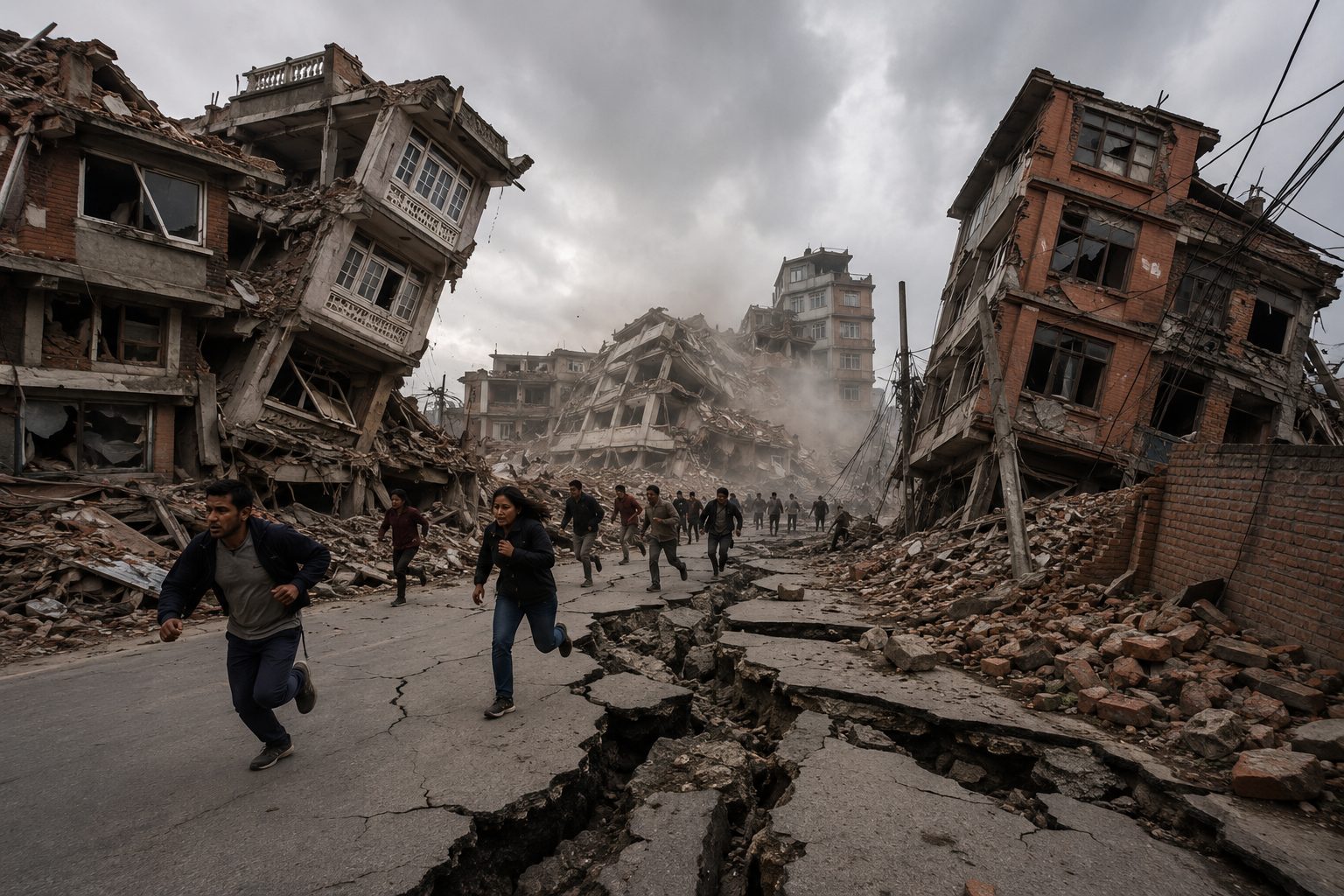
A 3.8 magnitude earthquake struck around 14 miles west of Las Vegas, Nevada, which caused brief panic among residents and reminded the region that seismic activity remains a constant possibility in the American Southwest. Moreover, the quake was considered moderate, and no major injuries or structural damage were immediately reported. The tremor was felt throughout Las Vegas and nearby communities.
The earthquake occurred during a period of increasing awareness regarding seismic preparedness in Nevada and neighboring states. However, residents across the Las Vegas Valley reported sudden shaking, rattling windows, swaying furniture, and brief vibrations lasting several seconds. Social media platforms quickly filled with reactions from locals who described the moment as surprising and unsettling.
While earthquakes are more associated with California. Nevada is actually one of the most seismically active states in the United States. However, events like this serve as an important reminder that earthquakes can happen without warning and that preparedness remains essential for communities throughout the region.
What are the Details of the Earthquake?
The earthquake was 3.8 on the scale of richter and was centered roughly 14 miles west of Las Vegas, according to preliminary seismic reports. Moreover, the quake originated at a shallow depth, likely contributed to the noticeable shaking felt by residents despite its relatively moderate magnitude.
Seismologists explained that shallow earthquakes tend to produce stronger surface shaking than deeper ones. Because Las Vegas sits within an active geological region influenced by fault systems throughout Nevada and California, occasional tremors are not unusual.
Across the Las Vegas metropolitan, areas was reported feeling the quake and residents from several neighborhoods. Some described hearing a low rumbling sound moments before the shaking began. Others experienced light movement of household objects, flickering lights, and vibrating walls.
Emergency services monitored the situation closely after the tremor, but officials confirmed there were no immediate reports of significant damage, road disruptions, or injuries connected to the earthquake.
How do residents react to the Sudden Tremor?
For many Las Vegas residents, the earthquake came as an unexpected interruption to an otherwise normal day. Individuals inside homes, office buildings, casinos, and hotels reported feeling the ground shake briefly before conditions returned to normal.
Social media became flooded with posts from concerned residents asking if others had also felt the tremor. However, videos which show shaking chandeliers, moving ceiling fans, and rattling household items spread rapidly online.
Despite the anxiety caused by the tremor, most reactions reflected relief that the earthquake was relatively mild and caused minimal disruption.
Why Nevada Experiences Frequent Earthquakes?
Many people are surprised to learn that Nevada ranks among the most earthquake-prone states in America. The state contains numerous active fault lines created by the movement of tectonic plates throughout the western United States.
The seismic influence of California’s San Andreas Fault system also affects neighboring regions, which includes parts of Nevada. Although Las Vegas does not sit directly on a major fault line like some California cities, the surrounding region remains geologically active.
The recent 3.8 magnitude earthquake serves as another example of the natural geological activity occurring beneath the region.
How Strong Is a 3.8 Magnitude Earthquake?
A 3.8 magnitude earthquake is generally classified as a minor to light seismic event. While it can certainly be felt by people nearby, earthquakes of this size rarely cause serious structural damage.
- Noticeable shaking indoors
- Rattling windows and dishes
- Swaying hanging objects
- Minor movement of furniture
- Brief feelings of dizziness or vibration
Scientists continue to monitor aftershocks and seismic patterns following events like this to understand local earthquake risks better.
How Earthquake Preparedness Remains Important?
Although the Las Vegas earthquake caused minimal damage, emergency management officials continue encouraging residents to prepare for future seismic activity. Earthquakes occur without warning, making preparedness one of the effective ways to reduce injuries and property damage.
Experts recommend that households create emergency plans and maintain disaster supply kits containing essentials.
- Drinking water
- Non-perishable food
- Flashlights
- Batteries
- First-aid supplies
- Medications
- Emergency contact information
Residents are also encouraged to secure heavy furniture, televisions, shelves, and appliances that could fall during stronger shaking.
Learning basic earthquake safety procedures can make a major difference during emergencies. Safety experts advise people to “Drop, Cover, and Hold On” during earthquakes rather than immediately running outside.
Schools, hotels, businesses, and public buildings throughout Nevada regularly review earthquake response procedures to improve readiness in the event of a major earthquake.
Does Scientists Continue Monitoring the Region?
Following the earthquake, seismologists began analyzing data to determine if additional aftershocks might occur. Small aftershocks sometimes follow moderate seismic events, though they are often too weak to be felt.
The recent Las Vegas-area earthquake also highlights the importance of public awareness regarding earthquake science and emergency response planning.
Geologists note that even moderate earthquakes offer opportunities to study how seismic waves travel through the Earth’s crust and affect urban environments.
Public Response Highlights Growing Awareness
One positive outcome from earthquakes like this is increased public awareness which is regarding the emergency preparedness. Many residents used the event as a reminder to review safety plans, emergency kits, and family communication procedures.
Public interest in earthquake preparedness often increases immediately following seismic events. Emergency agencies hope this awareness encourages long-term readiness rather than temporary concern.
Schools and workplaces also used the incident as an opportunity to discuss earthquake drills and safety protocols.
Preparedness experts emphasize that small earthquakes can serve as valuable reminders to strengthen community resilience before larger disasters occur.
How Could Larger Earthquakes Happen Near Las Vegas?
While the recent 3.8 magnitude earthquake was relatively minor, experts acknowledge that stronger earthquakes remain possible throughout Nevada and the broader Southwest region.
The western United States contains numerous active fault systems capable to generate significant seismic activity. Although major earthquakes near Las Vegas are less common than in parts of California, scientists do not rule out the possibility of larger future events.
Fortunately, advances in engineering, emergency response planning, and public education have significantly improved earthquake preparedness compared to previous decades.
Authorities stress that awareness and preparation remain the best defenses against future seismic emergencies.
Conclusion
The 3.8 magnitude earthquake located 14 miles west of Las Vegas has as a brief but important reminder of Nevada’s ongoing seismic activity. Moreover, the tremor caused little damage, it captured public attention across the region and sparked conversations about earthquake preparedness and geological risks.
You must understand the risks and know how to respond, which can help reduce fear and improve public safety when the ground unexpectedly shakes again.