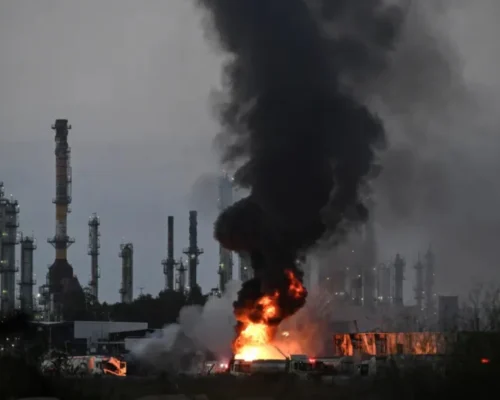
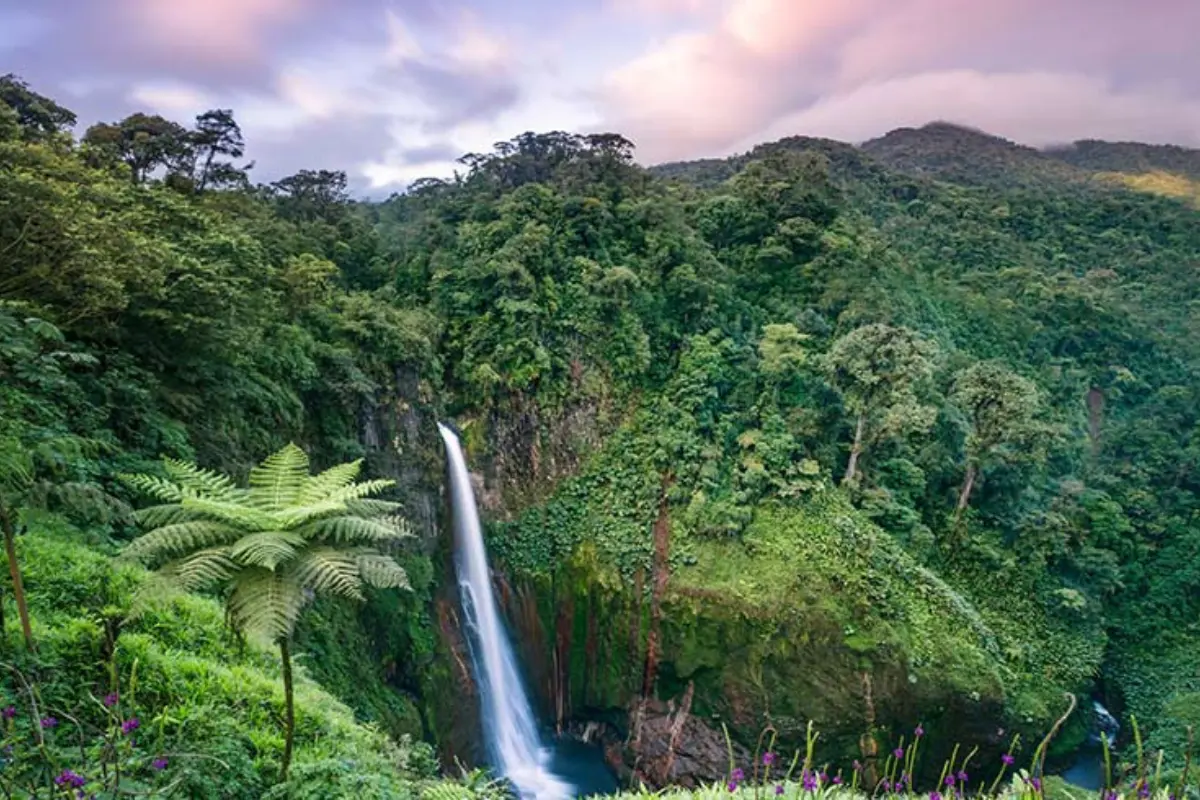
Costa Rica, once idealized as the ‘Switzerland of Central America,’ faces a harsh new reality. Imagine enjoying pristine beaches and wildlife, only to have this paradise disrupted by gunshots in San José, where hitmen target exiles and tourists fear extortion. In November 2025, Costa Rica’s image as a safe haven is shattering amid record crime, political turmoil, and a president willing to risk the country’s environmental heritage for oil.
The searches for “Costa Rica” have increased by 6,100% this week due to the bombshell “Safe Haven Reckoning” exposé by Americas Quarterly and The Guardian’s article about President Rodrigo Chaves’ green backslide ahead of February 2026 elections.
Homicides now rival Honduras’s, crime shakes the “pura vida” ideal, and Costa Rica’s renowned stability teeters. This analysis examines the country’s escalating drug corridor crisis, underfunded parks, and the erosion of its eco-image under President Chávez—factors driving American visitors and expats to confront uncomfortable truths. As the country’s secrets surface, the reality behind the safe haven myth becomes unavoidable.
Costa Rica’s Pura Vida Paradise: The Green Beacon’s Glow
Costa Rica, spanning 51,100 square kilometers between Nicaragua and Panama, has long been enchanted as Latin America’s stable star: No army since 1948 (funds redirected to education/health), 99% renewable energy, and 25% land protected in parks like Corcovado and Tortuguero. Home to 5.2 million, it’s a biodiversity hotspot, housing 5% of the world’s species, from quetzals to sea turtles, which draw 3 million tourists yearly (pre-crisis, generating $8B in revenue).
Iconic Allures That Built the Brand
- Eco-Tourism Empire: Zip-lines over Monteverde cloud forests, Arenal volcano hikes, 98% visitors cite nature as draw.
- Refugee Haven: Hosts 300K+ Nicaraguans fleeing Ortega; “safe haven” marketed post-9/11.
- Wellness Wonderland: Yoga retreats, Blue Zones in Nicoya, life expectancy 80+, among the world’s highest.
For Americans (1.5M visitors in 2024), it’s the accessible escape: direct flights from Miami (3 hours), English-speaking guides, and dollar-friendly colones.
The Cracks Emerge, Security Crisis Explodes
2025’s grim milestone: Homicides hit record 920+ (17.2/100K, per OIJ), up 50% since 2019, driven by cocaine transshipment (Costa Rica’s ports move 14 tons yearly to U.S./Europe). Extortion, gang turf wars spill from Limón/Guanacaste into San José suburbs, once “only in neighbors” violence now claims tourists, exiles.
Violence Vectors
- Assassination Alarms: June’s killing of Nicaraguan exile Roberto Samcam Ruiz, four arrests, and a possible Ortega hit.
- High-Profile Hits: Ex-Security Minister Celso Gamboa arrested on trafficking; extradition looms.
- Tourist Threats: Robberies up 30%; U.S. Embassy Level 2 advisory cites crime spike.
The Global Organized Crime Index 2025 ranks Costa Rica 58th worldwide, indicating resilience but also a rising trend, with reported mafia infiltration in ports/businesses.
President Rodrigo Chaves’ Populist Storm Shakes Status Quo
Elected in 2022 on an anti-elite wave (53% runoff), economist Chávez, ex-World Bank, resigned due to harassment in 2019, and boasts 60% approval despite scandals. August immunity vote failed (corruption/CABEI funds); denies wrongdoing. Style? Trumpian: Blunts critics, downplays violence (“not as serious”).
Controversial Calls
- Oil/Gas Gambit: Toys with exploration (moratorium to 2050); cites Norway model, ignores 2018 ban.
- Green Rollbacks: Defunds parks, questions carbon payments, and the Escazú Agreement.
- Security Stance: Arms police, builds mega-prison, yet blames judges for leniency.
2026 succession? Handpicks Laura Fernández (25% polls); 55% undecided per CIEP-UCR.
Environmental Backslide From Hero to Hesitant
Costa Rica’s halo: Reversed deforestation (52% forest cover), Paris architect (Christiana Figueres). However, Chávez’s “rationality over fanaticism” pits economy against eco, with mining bans lifted and parks underfunded amid an EV shift that is draining carbon taxes.
Fading Green Cred
- COP30 Snub: Skips Beyond Oil/Gas Alliance; Deep-sea Mining Opposition Wavers.
- Tourism Toll: Insecurity drops arrivals 15-20%; “paradise lost” headlines deter.
- Climate Vulnerability: Rising Seas Threaten Coasts; Parks Key to $8B in Tourism.
The Guardian warns: “Green halo slips”; decades-built reputation risks decades to repair.
Why Costa Rica Dominates Headlines in 2025
November 14, 2025: “Costa Rica” eclipses even election buzz, with 4M+ queries since AQ/Guardian pieces.
Surge Sparks
- Crisis Coverage: AQ’s “Safe Haven Reckoning” (November 11) details Gamboa’s arrest, the Samcam hit, and its viral spread among expats.
- Green Betrayal: Guardian’s oil tease (November 13) shocks eco-tourists; “Pura vida to petrol?” memes.
- Election Countdown: February 2026 polls (Fernández leads, undecided dominate), Chávez’s shadow looms.
- Tourism Tremors: 13.8% arrival drop; CANATUR warns “irreversible” rep damage.
For over 1 million American expats/visitors, personal safety alerts and flight checks increase.
Navigating Costa Rica Today Traveler and Expat Essentials
Despite headlines, Costa Rica’s safe for most: 90% visits are incident-free. Stick to tourist zones (Arenal, Manuel Antonio); avoid Limón nights.
Practical Pointers
- Safety Smarts: U.S. Embassy alerts; use Uber, avoid wearing flashy jewelry, and steer clear of crime-prone areas.
- Eco-Travel: Support certified lodges; carbon-offset flights.
- Election Watch: February 1 vote, monitor for protests; Chávez’s term ends in May.
Apps like Waze navigate; WhatsApp groups share real-time tips.
Costa Rica’s Crossroads Resilience or Reckoning
Costa Rica’s reckoning isn’t an extinction; it’s a turn: from the “safe haven” myth to a mature democracy that has to deal with migration, drugs, and climate change. Chávez’s populism, which exploits the frustration (inequality, rising costs of living) to a certain extent, nevertheless threatens to put at risk a green goldmine (tourism, which accounts for 8% of GDP, is the major sector). 2026 election? A majority of voters are undecided, indicating that there will likely be a change, which could result in either Fernández continuing in office or the opposition taking over.
Nevertheless, pura vida is still there: 98% literacy rate, universal health, and being a biodiversity beacon. For Americans who dream of retiring here (200K+ expats), it is a story from which they should learn; paradise cannot be taken for granted. While Chávez is playing with drills and prisons, Costa Ricans are voting for the future: Continue the miracle through sustainable means, or destroy it to get more short-term profits? The rainforest is urging you to listen carefully.