
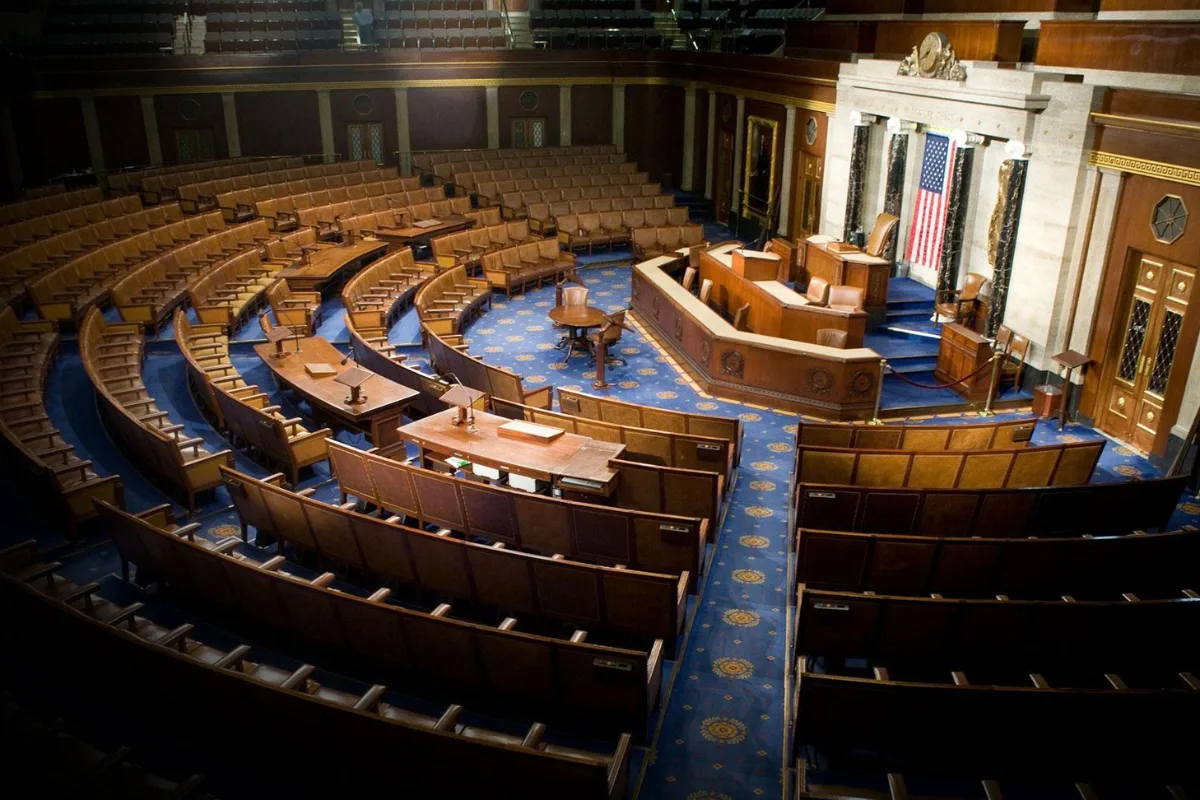
Imagine a Capitol Hill chamber that has been silent for weeks with its 435 seats vacant while federal workers are not paid and families have to ration their groceries. As the Senate is in a hurry to end the longest government shutdown in American history, the House of Representatives has the power to reopen the doors.
On November 10, 2025, that is the 41st day of the shutdown, the people were desperately looking for the “House of Representatives” as searches increased 6800% in a frenzy of questions: When will the House return from recess to vote? Will they have the 218 members needed? Democratic senators, such as Elizabeth Warren, were complaining about a compromise that did not include ACA subsidies, but a bipartisan breakthrough was moving the funding forward until January. However, the leader of the House Minority, Hakeem Jeffries, promised a fight on the floor.
As Speaker Mike Johnson considers his options for recall, this is not just the ping-pong of steps from the procedure; it is a standoff at the very top that is testing the gears of democracy. Join us as we navigate the House’s inner workings, its pivotal role in this crisis, and why every American should care about these 435 voices shaping your tomorrow.
Foundations of the House of Representatives: America’s People’s Chamber
Established by Article I of the Constitution in 1789, the House of Representatives embodies “We the People”, the only federal body directly elected by citizens every two years. With 435 voting members (plus six non-voting delegates from territories), seats apportioned by state population via decennial census, ensuring votes from Wyoming’s lone representative to California’s 52. It’s designed for swift action: no filibuster, simple majorities rule, contrasting with the Senate’s deliberative process.
Core Principles and Powers
- Representation Ratio: Roughly 760,000 constituents per member, your local hero tackling floods in Florida or factories in Michigan.
- Exclusive Domains: Originates revenue bills (taxes, budgets); impeaches presidents (as in Trump’s two trials); initiates war declarations.
- Leadership Ladder: Speaker (currently Republican Mike Johnson) wields the gavel and agenda; Majority/Minority Leaders, such as Jeffries, steer party lines.
This setup fosters dynamism: bills like the ACA or infrastructure deals often originate here, reflecting the urban-rural divide. For families, it’s tangible; House votes fund schools, highways, and Social Security checks.
The House’s Legislative Engine From Bill to Law
Ever wonder how an idea becomes law? The House is ground zero. A bill introduced (often by committee chairs) gets referred to panels like Ways and Means (taxes) or Energy and Commerce (health). Hearings grill experts, amendments sharpen the edges, and then floor debate unfolds under “rules” set by the Rules Committee, Johnson’s tool for fast-tracking GOP priorities.
Step-by-Step Passage Path
- Committee Crucible: 90% of bills die here; survivors emerge refined, like the 2021 infrastructure law.
- Floor Fight: Voice votes or recorded tallies; 218 ayes seal it (quorum of 218 present).
- Conference Compromise: If the Senate amends (as now), joint committees will reconcile, consider the ACA’s marathon 2010 sessions.
Amendments add spice: Riders on spending bills can torpedo deals, a tactic in shutdown brinkmanship. For everyday Americans, this means that your representative’s vote on farm aid or student loans isn’t abstract; it’s a matter of your wallet.
Current Crisis House Recess Delays Shutdown Endgame
The 2025 shutdown, triggered on October 1 over fiscal year funding, eclipses the 2018-19 shutdown’s 35 days, furloughing 2 million workers and slashing $11 billion in economic output weekly. Senate’s November 9 procedural win (60-40, with 8-10 Dem crossovers) advances a “clean” CR funding through January, sans ACA extensions demanded by progressives. But the House, in recess since September 19, won’t reconvene until November 16, sparking chaos.
Shutdown Timeline and House Hurdles
- Recess Reality: Johnson’s extended break (last session September 19) aims to pressure Senate Dems, but backfires amid public fury over delayed SNAP and TSA lines.
- Vote Logistics: Needs 218 for passage; GOP’s slim 220-215 majority means zero defections, but Jeffries pledges Dem opposition, forcing Johnson to potentially recall members early via proxy or emergency session.
- Key Sticking Points: No ACA subsidies (expiring January 1, resulting in a 114% premium hike for 22 million); back pay for federal employees is guaranteed, but broader cuts loom.
Jeffries blasted it as “Republican vacation,” while Johnson eyes mid-week votes if Senate clears by Monday. Economic forecasters warn of a Q4 contraction if unresolved by Thanksgiving. For you? Delayed IRS refunds, park closures, and real pain from procedural paralysis.
Why the House of Representatives Commands Searches Today
November 10’s frenzy isn’t a coincidence; it’s shutdown fatigue colliding with the politics of an election year. Google Trends pegs “House of Representatives” at peaks rivaling January 6, driven by live CNN tickers and family chats over unpaid bills. The Senate’s Sunday vote set the stage for House drama, with Warren’s “health emergency” rallying liberals against compromise.
Trending Triggers
- Recess Rage: Queries spike on “House return date”; November 16 looms, but recall rumors fuel 2 million daily searches.
- Vote Math Mania: “How many votes needed House” tops charts; simple majority (218) vs. Senate’s 60-vote cloture highlights chamber clashes.
- Shutdown Stakes: 800K essential workers unpaid; polls show 65% blame GOP, pressuring Johnson’s hand.
- Media Momentum: NPR’s ACA breakdowns and Guardian live blogs amplify “House shutdown vote,” blending policy with peril.
It’s viral: TikToks mock “empty chambers,” while Fox debates filibuster nukes. For Americans, your representative’s absence mustn’t delay relief.
Voting in the House Rules: Rules and Realities
House votes aren’t Hollywood spectacles but precision plays. Electronic tallies (15 minutes max) or voice “ayes/noes” decide fates; leadership whips ensure loyalty, but mavericks like Massie’s “no” on aid bills sway outcomes.
Vote Types and Twists
- Simple Majority Magic: 218 wins most; absences kill quorums, as in the 2023 debt ceiling drama.
- Proxy Power: Post-COVID, remote voting aids turnout, crucial for scattered members during recess.
- Procedural Plays: A suspension calendar for non-controversial bills requires two-thirds (290 votes); shutdown CRs evade this requirement.
Transparency shines: C-SPAN streams all, allowing you to track your representative’s stance on VA funding or border walls. Pro tip: Call your House office; one voice can make a difference.
Impact on Everyday Americans From Furloughs to Futures
The House isn’t an ivory tower; it’s your shield. Shutdowns like this hit hard: 4 million kids lose meal aid, veterans wait for benefits, and small businesses eye loans. Johnson’s recess gambit, meant to unify the GOP, instead spotlights fractures; fiscally conservative holdouts demand spending caps.
Personal and Policy Ripples
- Worker Woes: Back pay promised, but 40 days’ lost overtime stings; TSA lines balloon 30%.
- Health Hangover: ACA Fight Delays Open Enrollment Fixes; Premiums Could Spike by $ 15,000 for Families.
- Economic Echo: GDP dips 0.5% quarterly; markets wobble on uncertainty.
Yet hope flickers: Bipartisan deals like Shaheen-Hassan’s bridge show House potential for progress. As midterms near, representatives feel the heat; your vote in 2026 flips the script.
Looking Ahead: House’s Role in Healing the Divide
It could be back to business on November 16 to end the shutdown by the weekend, but the ACA’s dance in December is still there. Johnson could prorogue the recess for an emergency vote under the House rules, thus allowing the representatives to come quickly from their districts. In the long run? Reforms whisper: balanced budget amendments or auto-CR triggers to prevent repeats.
The House of Representatives, a total mess, nevertheless, reflects us, imperfect, passionate, fundamental. As it comes back together, call for action: paying federal employees, lowering health costs, and creating the future. This very popular storm reminds us of 435 representatives, one nation. Don’t miss Tuesday, a meeting of history is waiting.