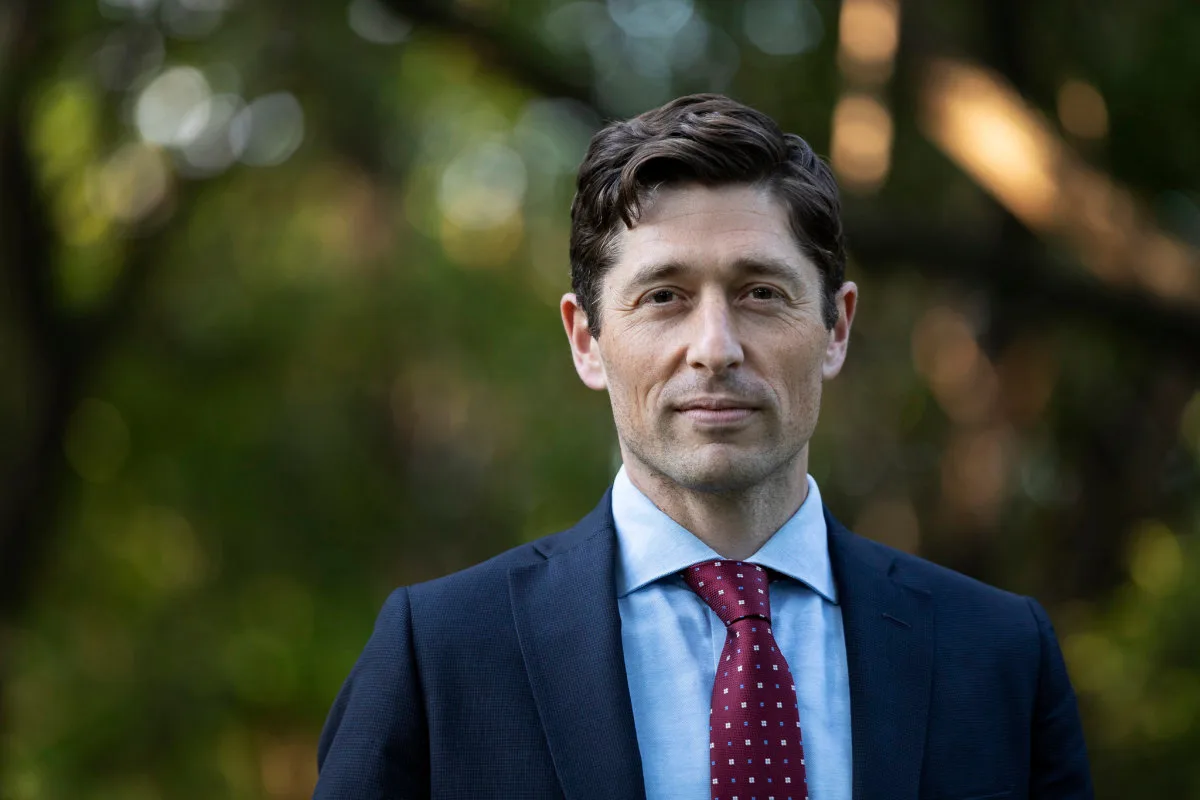
Picture this one: A fire blazes at a police station on a Minneapolis avenue, protesters scuffle with police, and a mayor, booed off the stage at a vigil, is the core of America’s racial reckoning. Hence, on November 4, 2025, Mayor Jacob Frey is in a close-ranked-choice election for a third term. In the first round of voting, Frey gets 42% of the votes while Fateh receives 32%. Therefore, the race will be decided by the results of the tabulations from Wednesday, which are causing a spike in the number of people searching for “Jacob Frey” nationwide.
This moment is when the mayor shot in a city devastated by the murder of George Floyd to see whether Frey’s moderate approach would prevail over the progressive one. Follow his unlikely path from being an underdog to becoming a trending lightning rod as we unravel his story.
From Civil Rights Roots to City Hall Climber
Jacob Frey wasn’t born with a silver spoon; he’s a scrappy product of the Midwest, blending law, activism, and politics into a potent mix. Raised in Virginia, Minnesota, Frey honed his sense of justice early.
- Education edge: Haverford College grad in anthropology, then Columbia Law School, where he dove into public interest work.
- Activist spark: Joined the National Fair Housing Alliance in 2009, suing banks for discriminatory lending during the foreclosure crisis.
- Local pivot: Elected to the Minneapolis City Council in 2013, championing affordable housing and renter protections.
By 2017, Frey challenged the status quo, toppling Betsy Hodges in a runoff. At 36, he became the city’s youngest mayor in a century, promising pragmatic progress amid rising tensions.
Navigating the George Floyd Inferno
On May 25, 2020, global outrage was sparked when Derek Chauvin pressed his knee on George Floyd’s neck. Meanwhile, Frey, who was several blocks away, saw how his city was going up in flames, police stations on fire, and the National Guard being called. What did he do? A brutally honest blend of understanding and law enforcement that divided people’s opinions.
Crisis Leadership Under Fire
- Immediate response: Colonel Chauvin was dismissed, the city was pushed to spend $8 million on police reform, and the Office of Violence Prevention was established.
- Backlash moment: At George Floyd’s vigil, he declined the defunding of the police, and therefore, he was booed. The video of this incident was shared widely and is thus the main reason why his campaigns are haunted.
- Long-term successes: The rate of homicides has decreased by 40% compared to the peaks of 2021; $100 million was invested in housing during a vacancy surge.
Critics like Fateh slam Frey for vetoing bold reforms, but supporters credit his balance, backing Chief Brian O’Hara while rebuilding trust. “Stability after chaos,” Frey pitches, contrasting Fateh’s socialist surge.
The 2025 Showdown Ranked-Choice Drama
Enter election night 2025: 15 candidates, but it’s Frey vs. the progressive triad, Fateh (32%), Rev. DeWayne Davis (14%), and Jazz Hampton (10%). No majority? Ranked-choice kicks in, reallocating votes until someone hits 50%.
Battle Lines Drawn Sharp
- Frey’s arsenal: Endorsements from Gov. Tim Walz and Sen. Amy Klobuchar; touts crime drops and rent caps holding steady.
- Challengers’ pact: Fateh, Davis, and Hampton urge cross-ranking to oust Frey, echoing 2021’s near-miss.
- Voter vibes: A U of M student ranks Frey first for safety; a nurse backs Fateh for affordability amid tax hikes.
With 99% of precincts reporting, Frey leads by 10 points. But tabulations resume on November 5. Could second choices flip the script? DFL infighting, including a yanked endorsement, adds fuel to the fire.
Why Jacob Frey Dominates Searches Today
On November 5, 2025, “Jacob Frey” surges 3,000% on Google Trends, outpacing even national headlines. It’s not just local; Frey’s story mirrors America’s divides: reform versus results, left flank versus center.
- Ranked-choice intrigue: Minneapolis’s system turns elections into multi-day thrillers; in 2021, Frey won after rounds two and three.
- Post-Floyd symbol: As cities grapple with policing, Frey’s tenure, flawed yet functional, sparks debates on leadership in crisis.
- Progressive pushback: Fateh’s “Mamdani of the Midwest” vibe draws national eyes to socialist mayoral bids nationwide.
- Media magnet: From CNN projections to Star Tribune live blogs, coverage amplifies his underdog resilience.
Cable loops his 2020 vigil walkout; podcasts dissect if he’s the anti-chaos vote in turbulent times.
Key Achievements Shaping His Legacy
Frey’s eight years aren’t flawless, but they’ve delivered tangible shifts for Minneapolis’s 430,000 residents.
Housing and Economy Boosts
- Affordable units: 2,000+ new homes via $200 million bonds; navigated a 20% office vacancy post-pandemic.
- Fiscal fixes: Balanced budgets despite $50 million deficits; property taxes rose, but less than peers like Seattle.
Safety and Equity Gains
- Crime trends: Shootings down 25% since 2022; launched mental health response teams diverting 911 calls.
- Equity focus: Expanded Black and Indigenous commissions; settled Floyd family lawsuit for $27 million.
Yet challenges linger: slow police hiring, a 15% increase in homelessness, and a budget strained by empty downtowns.
What a Third Term Could Mean
If Frey wins, it seems from the initial models that he would probably secure a moderate plan for blue cities. You can anticipate more substantial housing initiatives, technology-enhanced policing, and economic incentives for remote workers. A Fateh victory? Quite radical rent controls, steep taxes on the wealthy, and accelerated dismantling of the old-guard influence.
The story of Frey keeps us wondering as the votes are slowly coming in: Is it possible that the man who confronted the fury could lead Minneapolis to recovery? His story, which is trending in an era of extremes, reminds us that governance is a tough, very human, and infinitely arguable thing.