
As autumn rolls across much of the United States, pockets of unusually warm weather and a heat advisory have persisted. National Weather Service offices routinely issue a heat advisory when heat and humidity combine to create dangerous conditions for people outdoors or with limited access to cooling. In late October 2025, for example, local NWS offices issued heat advisories across parts of Southern California and other regions where daytime temperatures and heat-index values rose well above seasonal norms.
What does a Heat Advisory mean?
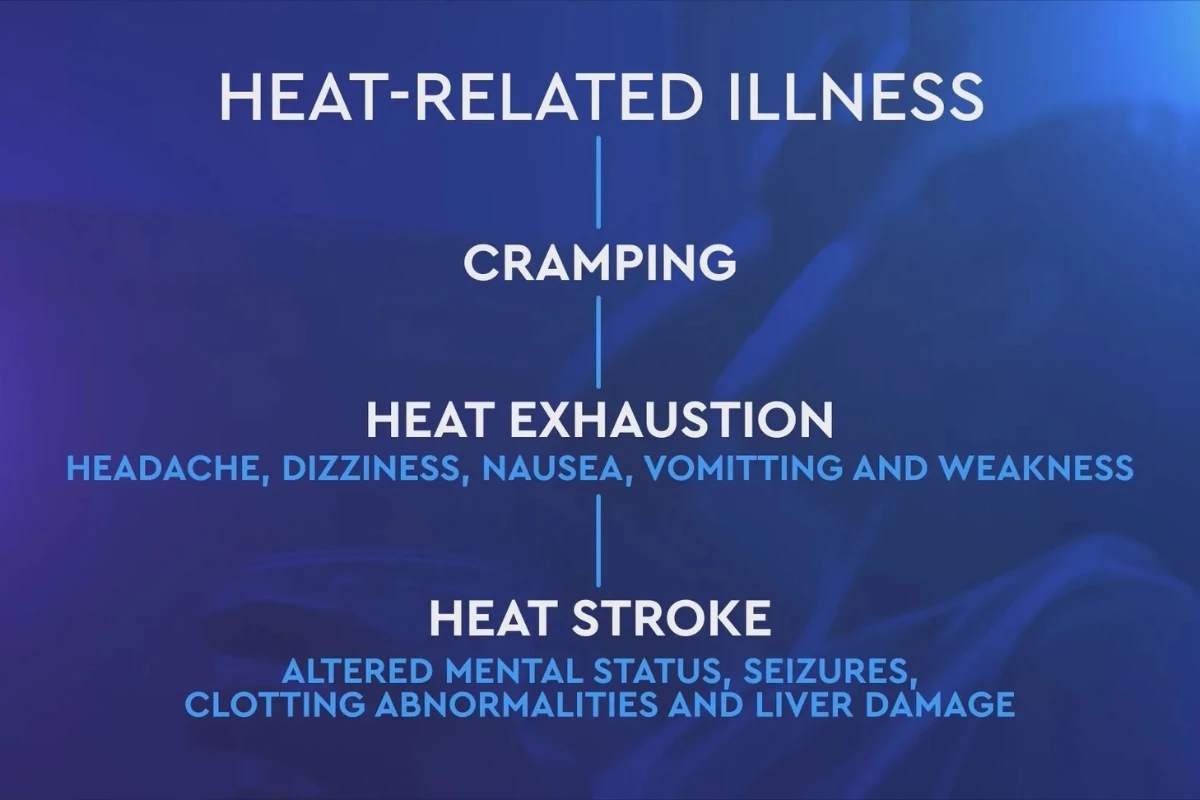
A “heat advisory” is a short-term alert from the National Weather Service that warns people that high temperatures, often combined with humidity, pose an extended risk of heat-related illnesses, such as heat exhaustion or heat stroke. Advisories are intended to prompt actions: stay hydrated, avoid strenuous outdoor activity in the hottest hours, check on vulnerable neighbors, and seek air-conditioned shelter if you can
What are the Major Factors of a Heat Advisory?
1. A warmer climate baseline.
Decades of greenhouse-gas warming mean that summers and shoulder seasons now start and end at higher temperatures than they once did. Scientific analyses and public-health reporting show a steady rise in heat exposure and heat-related deaths across the U.S. in recent years. Extreme heat is the leading cause of weather-related fatalities in many analyses. That long-term warming raises the baseline so that short-lived hot spells more easily exceed dangerous thresholds.
2. Current seasonal drivers — La Niña and circulation patterns.
Large-scale climate patterns influence where and how intense heat will be. In October 2025, NOAA and the Climate Prediction Center reported La Niña conditions, which tend to favor a particular jet stream pattern and can make parts of the southern and central U.S. warmer and drier than usual during certain months. That shift helps explain why some regions are experiencing lingering, above-average warmth into October.
3. Urban heat islands and land use.
Cities concentrate heat: dark pavement, sparse tree cover, and concrete buildings trap and re-emit heat at night, keeping urban neighborhoods much hotter after sunset than rural areas. That nighttime heat matters: failing to cool overnight prevents the body from recovering and significantly raises health risks for people without effective cooling.
4. Compound stresses — drought, wildfires, and power strain.
Extended dry spells and wildfire smoke often accompany hot, stagnant weather. Fires and extreme heat together strain emergency services, complicate outdoor work, and can degrade air quality, another health hazard for people with respiratory disease. At the same time, high cooling demand during heat spells stresses electrical grids and can contribute to outages, leaving vulnerable populations exposed.
Who is Most at Risk?
Certain groups face far higher danger during heat advisories:
- Older adults and infants/young children.
- People with chronic health conditions (cardiovascular, respiratory, and diabetes).
- Outdoor workers — construction, agriculture, and delivery personnel.
- People experiencing homelessness or living in housing without reliable cooling.
- Those who use certain medications that reduce sweating or affect temperature regulation.
- Public health agencies such as the CDC emphasize planning for these groups and developing Heat Action Plans for workplaces and communities.
Which Practical steps should you take for a Heat Advisory?
If you see a heat advisory:
- You must stay hydrated by drinking water, even if you do not feel thirsty.
- Avoid strenuous activity during peak heat, late morning through early evening. If you must work outside, take frequent cool-down breaks in the shade or an air-conditioned space and use a buddy system.
- Use air conditioning when possible; go to cooling centers if your home lacks cooling. Local governments and NWS pages list cooling centers during heat events.
For communities and employers:
- Open and publicize cooling centers and ensure transit options to reach them.
- Check on isolated or at-risk neighbors and family members daily while the advisory is in effect.
- Protect outdoor workers with modified schedules (early/late shifts), extra breaks, shaded rest areas, and hydration stations.
- Ensure emergency responders and hospitals are prepared for higher caseloads of heat illness.
Longer-term policy actions (high-level):
- Invest in urban cooling: more trees, reflective roofing, and “cool pavement” can reduce urban heat islands.
- Expand affordable access to air conditioning and subsidized electricity for low-income households.
- Strengthen heat-mortality surveillance and consistent reporting to guide public-health responses with accurate data. Research and coverage in 2025 highlight gaps in counting and addressing heat mortality
The Human Toll: Recent Evidence
Recent reporting and public-health data show the rising human impacts of heat. Investigations into heat-related mortality during 2025 have drawn attention to especially severe impacts in places like Maricopa County, Arizona, where hundreds of suspected heat deaths were reported following extreme summer temperatures; researchers and journalists warn that official counts may still understate the full effect because heat can amplify heart, lung, and kidney conditions that are recorded under other causes. Public-health trackers and peer-reviewed analyses also show a multi-year rise in heat-linked fatalities across the U.S.
Conclusion
Heat advisories are no longer “summer only” signals; with a warmer climate, seasonal patterns that favor late warmth, and local factors like urbanization, dangerous heat can occur outside traditional summer months. Pay attention to official NWS alerts, follow CDC guidance to protect health, and communities should prioritize cooling access and protections for workers and vulnerable residents. The immediate actions — hydrate, seek cool space, check on others — are simple but can save lives; the longer-term investments in cooling infrastructure and equitable access are what will reduce the real toll of heat in future years.