Vehicle recalls are a crucial part of automotive safety, which help manufacturers address potential defects before they lead to serious accidents or injuries. Recently, the Kia Telluride has been the subject of a seatbelt-related recall that has drawn attention from vehicle owners and safety experts alike. Since seatbelts are one of the most critical safety features in any vehicle, even a minor defect can become a significant concern.
The Kia Telluride is one of the most popular three-row SUVs in North America because of its spacious interior, advanced technology, and strong safety ratings. It is essential to understand the details of the recall to help you determine whether your vehicle is affected and what steps they should take next.
How Does the Kia Telluride Seatbelt Recall?
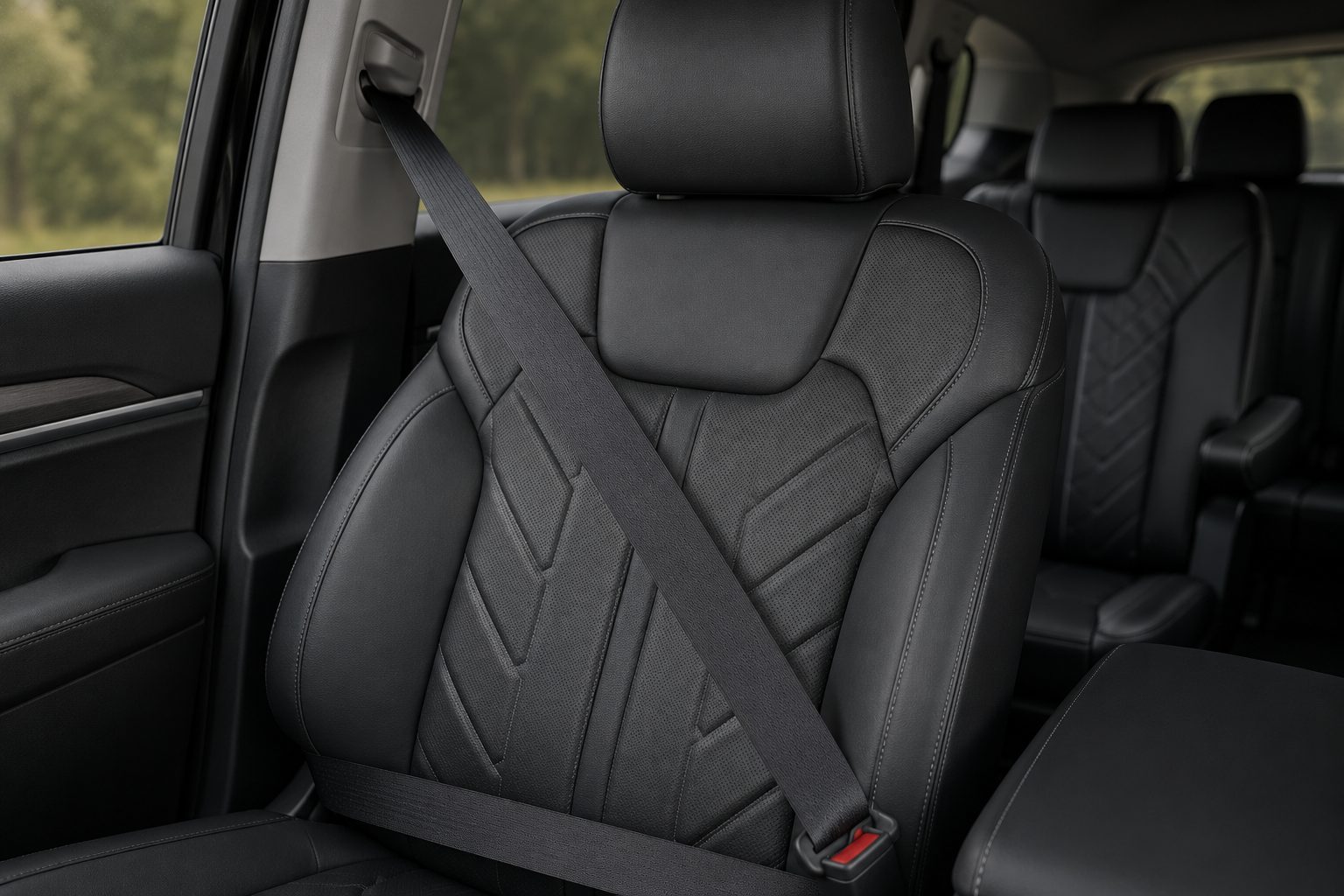
The recall includes certain Kia Telluride vehicles where a seatbelt anchor buckle may not function as intended. The issue affects the third-row center seatbelt anchor buckle in certain Telluride models, according to recall information. Due to a manufacturing-related problem, the buckle may not latch properly when the seatbelt is engaged. If the buckle does not secure correctly, the seatbelt might fail to properly restrain an occupant during a collision, which increases the injury risk.
Because seatbelts play a vital role in protecting passengers during accidents, automakers and safety regulators treat these defects very seriously.
Which Kia Telluride Models Are Affected?
The recall primarily affects specific 2027 Kia Telluride vehicles. The issue was identified in the third-row center seating position, where the seatbelt anchor buckle may not have been assembled correctly during manufacturing. Kia determined that only certain production batches were impacted by the defect.
Not every Kia Telluride is affected. You should verify your Vehicle Identification Number (VIN) through official recall resources or dealership service departments to check if the vehicle is included in the recall campaign.
How the Problem Was Discovered?
The defect was reportedly identified during internal investigations after concerns arose regarding seatbelt buckle performance. Engineers discovered that some seatbelt anchor buckles supplied during production may not have been assembled according to specifications. Further investigation revealed that affected buckles could fail to latch properly under normal use.
Following the investigation, Kia worked with safety regulators to initiate a recall and provide corrective actions for affected vehicles.
Why Seatbelt Defects Are Serious?
Seatbelts are designed to keep occupants securely positioned during a collision. Modern seatbelt systems work together with airbags, crash sensors, and vehicle structures to minimize injury risk.
Reduced Occupant Protection
A seatbelt that does not properly engage may not provide adequate restraint during sudden braking or a collision.
Increased Risk of Injury
Passengers who are not securely restrained face a greater risk of injury during crashes.
Compromised Safety System Performance
Modern vehicle safety systems are engineered assuming occupants are wearing functioning seatbelts. A defective buckle can reduce the effectiveness of the entire safety system.
For these reasons, even a seemingly small seatbelt issue often results in a manufacturer recall.
Symptoms Owners Should Watch For
Although some affected vehicles may not show obvious warning signs, owners should pay attention to potential seatbelt problems. If any of these symptoms are present, owners should schedule an inspection as soon as possible.
- Difficulty latching the seatbelt
- Buckle releasing unexpectedly
- Loose buckle connections
- Seatbelt not clicking securely into place
- Inconsistent engagement of the buckle mechanism
What is the Kia’s Solution for the Recall?
To address the problem, Kia has announced that dealers will inspect affected vehicles and replace the seatbelt anchor buckle assembly when necessary. Moreover, for all eligible owners, the repair will be performed free of charge.
The corrective action is to ensure that the seatbelt buckle meets all safety standards and functions properly during normal operation and crash situations.
Vehicle owners should not delay scheduling repairs once recall notifications are received.
Additional Telluride Safety Recalls
The seatbelt recall is not the only safety-related recall involving the Kia Telluride in recent years.
Other recalls have involved:
Front Seatback Frame Issues
Certain Telluride models equipped with power front seats were recalled because the seatback frame assemblies might not properly restrain occupants during a crash. This issue could increase injury risk during rear-impact collisions.
Exterior Trim Concerns
Some Telluride vehicles were recalled due to door belt molding trim that could loosen and detach while driving, potentially creating road hazards.
While these recalls involve different components, they demonstrate the importance of responding promptly whenever a manufacturer issues a safety campaign.
How Owners Can Check Their Recall Status
Checking recall status is a straightforward process.
Vehicle owners should:
Locate the VIN
The VIN can typically be found:
- On the dashboard near the windshield
- Inside the driver’s door frame
- On vehicle registration documents
Contact a Kia Dealership
Authorized service centers can quickly verify if a vehicle is affected.
Review Recall Notices
Owners should carefully read any recall letters received by mail and follow the instructions provided.
Keeping vehicle ownership information current helps ensure recall notices reach the correct recipient.
What is the Importance of Responding Quickly?
Some drivers postpone recall repairs because their vehicle appears to function normally. However, safety recalls are issued to prevent potential failures before they occur.
- Improved passenger safety
- Compliance with manufacturer recommendations
- Free repairs
- Reduced accident risk
- Greater peace of mind
Addressing recall issues early helps ensure the vehicle continues to operate safely.
What This Means for Telluride Owners?
For most Telluride owners, the recall should not be a cause for panic. Manufacturers issue recalls as part of their ongoing commitment to vehicle safety. The important thing is to verify whether the vehicle is affected and schedule repairs if necessary.
In case the vehicle is included in the recall, you can expect inspections and repairs at no cost. Once the corrective work is completed, the seatbelt system should function as intended and continue providing the protection passengers rely on every day.
Conclusion
The Kia Telluride seatbelt recall highlights the importance of vehicle safety systems and the role recalls play in protecting drivers and passengers. The issue involves certain Telluride models with seatbelt anchor buckles that may not latch properly, potentially increasing injury risk during a crash. Kia has responded by offering inspections and repairs free of charge for affected vehicles.