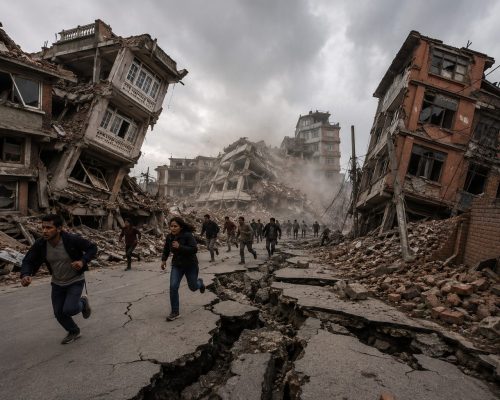
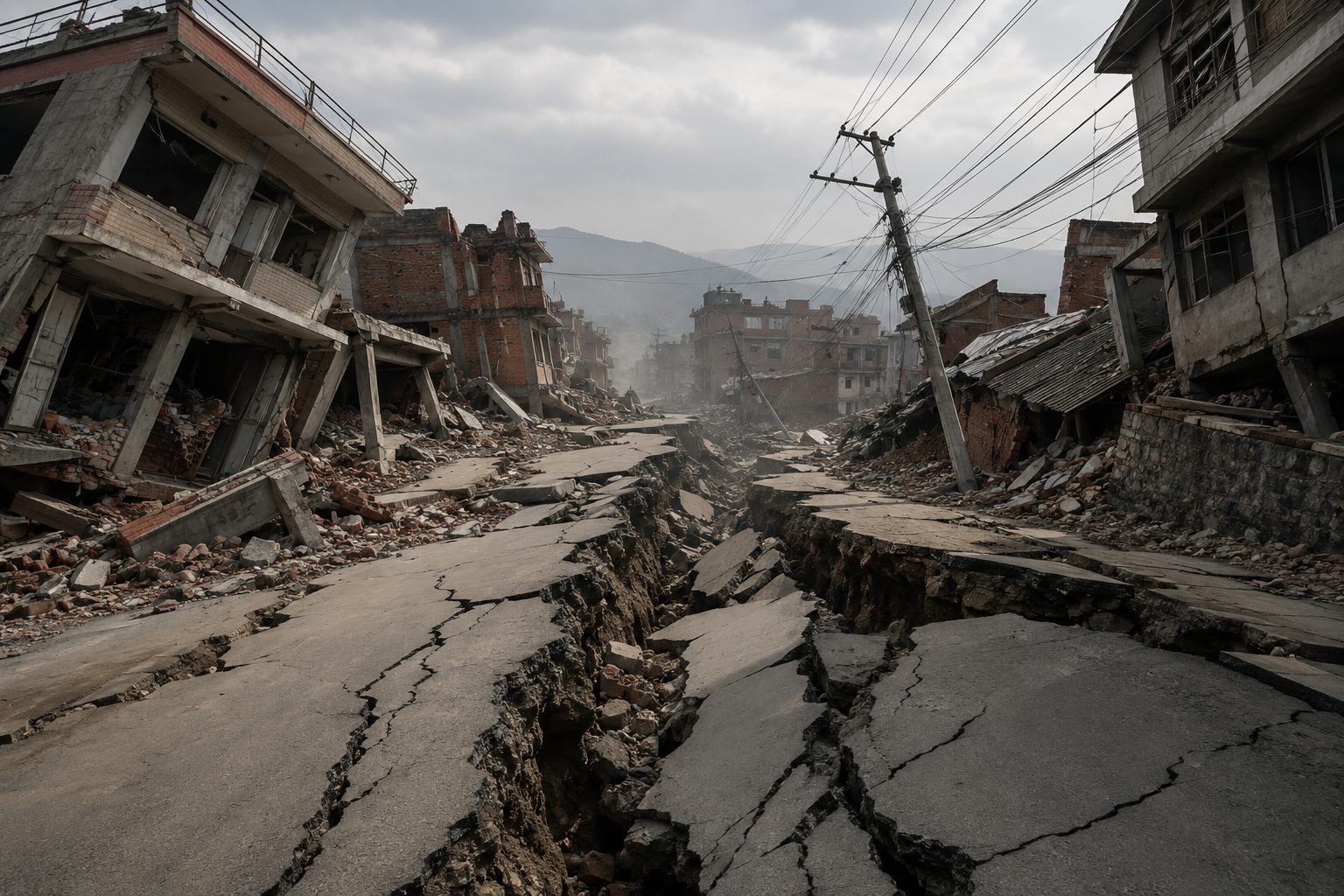
When people think about natural disasters in Florida, hurricanes, tropical storms, and flooding usually come to mind. Earthquakes are rarely associated with the Sunshine State, which lead many residents to believe that seismic activity is virtually nonexistent. However, while Florida is not known for frequent or powerful earthquakes, the state has experienced seismic events throughout its history.
You must understand the earthquake activity in Florida is important for residents, businesses, emergency planners, and anyone interested in natural hazards. Although earthquakes are relatively rare compared to other regions of the United States, they can still occur and occasionally be felt across parts of the state.
Does Florida Experience Earthquakes?
The simple answer is yes. Florida does experience earthquakes, but they are generally infrequent and much weaker than those that occur in states such as California, Alaska, Nevada, or Washington.
- Small local earthquakes
- Earthquakes originating from nearby states
- Seismic waves traveling from distant earthquakes
- Offshore seismic activity
Why Florida Suffers Less Earthquakes?
Meanwhile, movements along tectonic plate boundaries cause earthquakes. Florida is located near the center of the North American tectonic plate rather than along its edges. However, this geological position provides a relatively stable environment in comparison to areas where tectonic plates interact directly.
Florida’s location reduces the likelihood of significant earthquakes, which makes major seismic events uncommon.
Florida’s Geological Structure
The geological makeup of Florida differs from that of many other parts of the United States. Much of the state sits on a broad carbonate platform composed primarily of different factors.
- Limestone
- Dolomite
- Sand deposits
- Sedimentary rock layers
Unlike Western states, Florida lacks major active fault systems capable of producing large earthquakes. However, geological stability does not eliminate the possibility of earthquakes.
Different Historical Earthquakes in Florida
Although rare, several earthquakes have been recorded in Florida over the years.
Early Recorded Events
Historical records indicate that residents have occasionally felt tremors since the 1700s. Many of these events were weak and caused little to no damage.
Twentieth-Century Activity
During the twentieth century, several minor earthquakes were recorded throughout the state. Most were detectable only with scientific instruments, while a few were strong enough to be felt by residents.
Recent Earthquakes
Modern seismic monitoring systems have improved the detection of small earthquakes. Today, scientists can identify and analyze even minor seismic events occurring within or near Florida.
Most recent earthquakes have been low in magnitude and have not caused significant structural damage.
Earthquakes Felt in Florida from Other States
One unique aspect of seismic activity in Florida is that residents sometimes feel earthquakes that occur hundreds of miles away.
Strong earthquakes in states such as:
- Tennessee
- South Carolina
- Alabama
- Georgia
It can sometimes send seismic waves into Florida.
The eastern United States has older and denser rock formations that allow seismic energy to travel farther than in many western regions. As a result, earthquakes occurring outside Florida may still be noticeable to residents.
The Charleston Earthquake Connection
One of the most significant historical earthquakes affecting the southeastern United States was the Charleston earthquake of 1886.
The earthquake occurred near Charleston, South Carolina, and had an estimated magnitude of approximately 7.0. It was one of the strongest earthquakes ever recorded in the eastern United States.
Reports from that event indicated that shaking was felt across a vast area, which includes parts of Florida. The earthquake demonstrated how seismic events which occur outside the state can still impact Florida residents.
Can Florida Experience a Major Earthquake?
Scientists generally consider Florida to be a low-risk state for major earthquakes. However, no area can be considered completely immune to seismic activity.
- Geological stress accumulation
- Ancient fault structures
- Offshore seismic zones
- Regional tectonic influences
Offshore Earthquakes and Florida
Some earthquakes affecting Florida originate beneath the Atlantic Ocean or the Gulf of Mexico.
- Ancient fault movement
- Geological adjustments
- Regional tectonic forces
Most offshore earthquakes are relatively weak and pose minimal danger to coastal communities. However, scientists monitor these events carefully to ensure public safety.
How Earthquakes Are Measured
Modern earthquakes are measured using seismographs, which detect ground motion.
Several important measurements are used:
Magnitude
During an earthquake, magnitude measures the amount of energy released.
Common categories include:
- Minor: Below 4.0
- Light: 4.0–4.9
- Moderate: 5.0–5.9
- Strong: 6.0–6.9
- Major: 7.0 and above
Intensity
Intensity measures how strongly people experience the shaking in a particular area.
The same earthquake may produce different intensity levels depending on location, soil conditions, and building construction.
Potential Effects of an Earthquake in Florida
Even a moderate earthquake could affect Florida communities in several ways.
Structural Damage
Older buildings may be more vulnerable to shaking, especially if they were not made with seismic considerations in mind.
Infrastructure Disruptions
Roads, bridges, utilities, and communication systems could experience temporary disruptions.
Public Anxiety
Because earthquakes are uncommon in Florida, even minor tremors may generate significant public concern.
Property Damage
While widespread destruction is unlikely, localized damage could occur which depends on earthquake magnitude and location.
How to Prepare for Earthquake in Florida?
Although earthquake risk is relatively low, preparedness remains important.
Secure Heavy Furniture
Bookshelves, cabinets, and large appliances should be secured to prevent tipping during shaking.
Create an Emergency Kit
Emergency supplies should include:
- Water
- Non-perishable food
- Flashlights
- Batteries
- First aid supplies
- Important documents
Develop a Family Plan
Family members should know where to meet and how to communicate if an emergency occurs.
Stay Informed
Monitoring updates from emergency management agencies and geological organizations can help residents stay aware of potential hazards.
The Role of Modern Monitoring Technology
Advancements in seismic monitoring have greatly improved scientists’ ability to track earthquake activity.
- Seismic stations
- Satellite monitoring
- Ground sensors
- Computer modeling systems
These technologies allow researchers to identify even minor earthquakes and improve understanding of regional seismic behavior.
How to Compare Florida to High-Risk Earthquake States?
Florida’s earthquake risk remains significantly lower than that of many western states.
California
California experiences thousands of earthquakes annually due to its location along major fault systems.
Alaska
This area experiences some of the world’s most powerful earthquakes due to active tectonic plate interactions.
Nevada
Nevada frequently experiences seismic activity related to crustal stretching and fault movement.
Compared to these regions, Florida remains one of the least earthquake-prone states in the country.
Conclusion
Although Florida is not commonly associated with earthquakes, seismic activity does occur from time to time. Most earthquakes affecting the state are minor and rarely cause significant damage. Florida’s position near the center of the North American tectonic plate provides a stable geological environment that minimizes earthquake risk.